Low-risk natural plant protection preparations are playing an increasingly important role in agricultural practices today, as they offer a more respectful and self-sufficient way to support crop health. Derived from simple preparations (often plant-based, sometimes mineral-based), they draw on traditional knowledge brought up to date and validated by field experience and the ITAB (French Technical Institute for Organic Agriculture). Their value extends beyond simply replacing inputs: these solutions help manage various problems encountered during cultivation, such as insects, diseases, and crop vigor, thus restoring the balance of cultivated ecosystems.
Definition of Low-risk natural plant protection preparations
Low-risk natural preparations include solutions designed to support crop health without falling into the category of plant protection products.
Their distinctive feature is twofold: they can be used for plant protection purposes, but do not require any marketing authorization. This specific status, enshrined in Article L.253-1 of the Rural Code , results from a gradual evolution of the regulatory framework, which now recognizes their place in agricultural practices.
A PNPP must consist exclusively of basic substances or natural substances for biostimulant use (SNUB) , and be produced by simple processes.
They rely on ancestral techniques such as:
- maceration in water, yielding liquid manures, infusions (willow bark) and decoctions (horsetail)
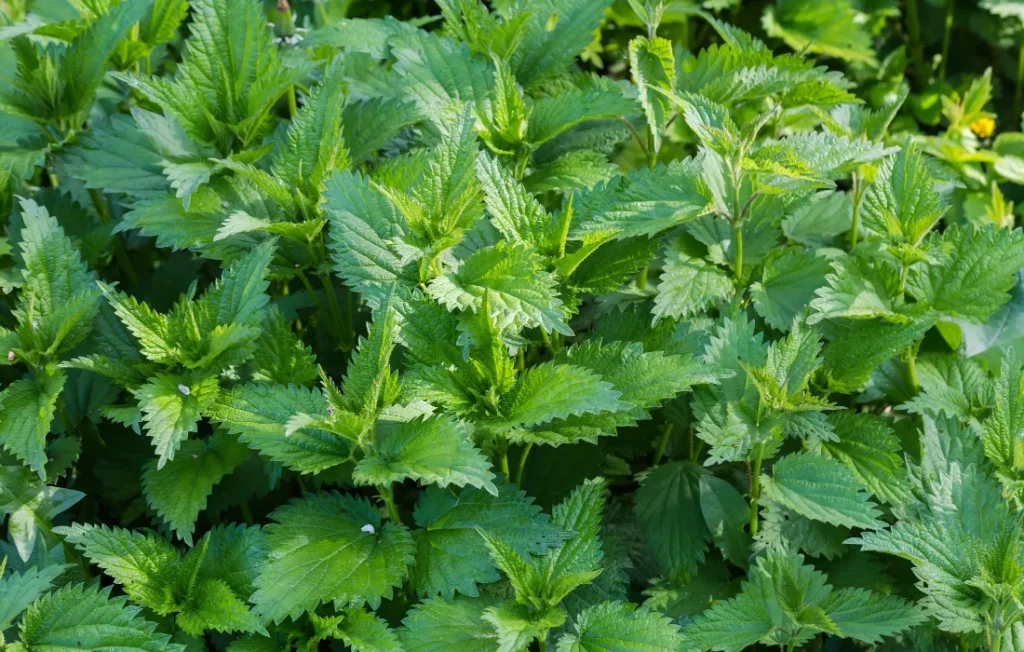
- drying or grinding to obtain powders (nettle, horsetail)
Basic substances
Basic substances constitute one of the two pillars of the Low-risk natural plant protection preparations framework. They are defined by Article 23 of Regulation (EC) No 1107/2009 and are clearly distinct from conventional plant protection products. These are substances whose properties have recognized agronomic value, some of which are related to crop protection. They must meet two stringent requirements: they must pose no risk to human health and must not harm the environment.
Their approval procedure under European regulations, which is simpler than that of a plant protection product, is based on a straightforward assessment and results in an authorization valid indefinitely. Each approved basic substance is the subject of a specific report detailing its authorized uses. However, their use remains regulated, as they must only be used under the conditions stipulated by European regulations.
Examples of the best-known substances include nettle, horsetail, and willow bark.
Natural substances for biostimulant use (SNUB)
Natural substances for biostimulant use form the second category for formulating a plant protection product (PPP). Defined by decree no. 2016-532, they fall under the category of fertilizers. Their role is not to act directly against a harmful organism, but to support plant physiology : stimulating growth, improving mineral assimilation, or strengthening tolerance to abiotic stresses.
Natural organic biostimulants can be of plant or mineral origin. However, they differ from industrial biostimulants in that they do not contain microorganisms . To be classified in this category, they must possess certain characteristics:
- to be natural and not genetically modified;
- to be included in the official list maintained by decree.
SNUBs are usable in organic farming.
General framework and use
Low-risk natural plant protection preparations belong to the family of inputs designed to support crop protection and health . Their deployment is part of an agricultural transition where producers seek to limit the use of chemical products while maintaining the performance of their systems. The legislative framework has therefore been progressively strengthened to ensure controlled, consistent use that complies with safety requirements.
This regulatory framework helps to structure a credible alternative to conventional plant protection products. Plant protection products (PPPs) are finding their place in a variety of technical approaches, whether to strengthen plant resilience, support soil balance, or complement an integrated pest management strategy. Their growth reflects an increasing desire to rely on reliable, better understood, and better regulated natural resources.
Their performance is no longer in doubt if they are used wisely.
AGROBIOTOP, European leader in basic substances
We are the European leader in basic substances ( nettle manure , horsetail decoction , willow bark infusion , chitosan , chitosan and biostimulants based on plant complexes from the pharmacopoeia, designed to strengthen and stimulate crops)
YAKA Range
Expert in seed coatings
They can be combined with synthetic solutions, thus rebalancing the effects of chemistry.
Feel free to contact us for more information .
A lire aussi :