Iron (Fe) is a trace element essential for proper plant function. It plays a role in several mechanisms related to photosynthesis, cellular respiration, and chlorophyll formation. When iron becomes difficult to absorb, a deficiency can occur, even if the soil contains sufficient quantities. This iron chlorosis can affect the vigor, growth, and production potential of cereals, vines, vegetable crops, and fruit trees. Agrobiotop supports producers in preventing and correcting iron deficiency situations.
- Iron: an essential trace element for plants
- Iron in the soil: presence does not mean availability
- The main factors contributing to iron deficiency
- Symptoms of iron chlorosis
- Crops sensitive to iron deficiency
- Preventing and monitoring the risk of iron deficiency
- Agrobiotop solutions for combating iron (Fe) deficiency
Iron: an essential trace element for plants
Iron (Fe) is required by plants in very small quantities, but its availability is essential for several major physiological functions. Poor absorption can cause rapid disorders, even when the soil contains iron. This trace element is a component of numerous enzymes, proteins, and hemoproteins involved in plant metabolism.
Iron is involved in photosynthesis, cellular respiration, energy transfer, and DNA synthesis. It also plays a role in the transport and utilization of several elements within the plant. Although not a direct constituent of chlorophyll, it is necessary for its formation. In legumes, it also supports the function of nodules and proteins involved in oxygen exchange, thus influencing their biological activity.
Iron in the soil: presence does not mean availability
Iron is present in most soils in sufficient quantities, but this presence does not guarantee its absorption by the roots. The problem often stems from its low bioavailability: iron may be in an insoluble, precipitated, or difficult-to-access form for the plant. Its availability is generally higher in acidic soils, particularly when the pH is below 5.5. Conversely, in calcareous or alkaline soils, a high pH promotes iron immobilization, even when soil reserves are substantial.
Do you need expertise and solutions against iron chlorosis ?
The main factors contributing to iron deficiency
Several characteristics of the soil and environment can reduce the assimilation of iron by the roots.
- Calcareous soils rich in calcium carbonate, active limestone or bicarbonates.
- High pH levels and situations of high alkalinity make iron less soluble.
- Cold soils, where root activity slows down and limits the absorption of mineral elements.
- Soils that are damp, waterlogged or saturated with water, often poor in oxygen.
- Compacted, poorly structured or poorly aerated soils, which hinder root exploration.
- Nutritional imbalances between mineral elements.
- Excess molybdenum, copper, manganese, zinc, nickel or phosphorus, which can reduce iron absorption.
- Conditions that favor the precipitation of iron in forms unusable by the roots.
Symptoms of iron chlorosis
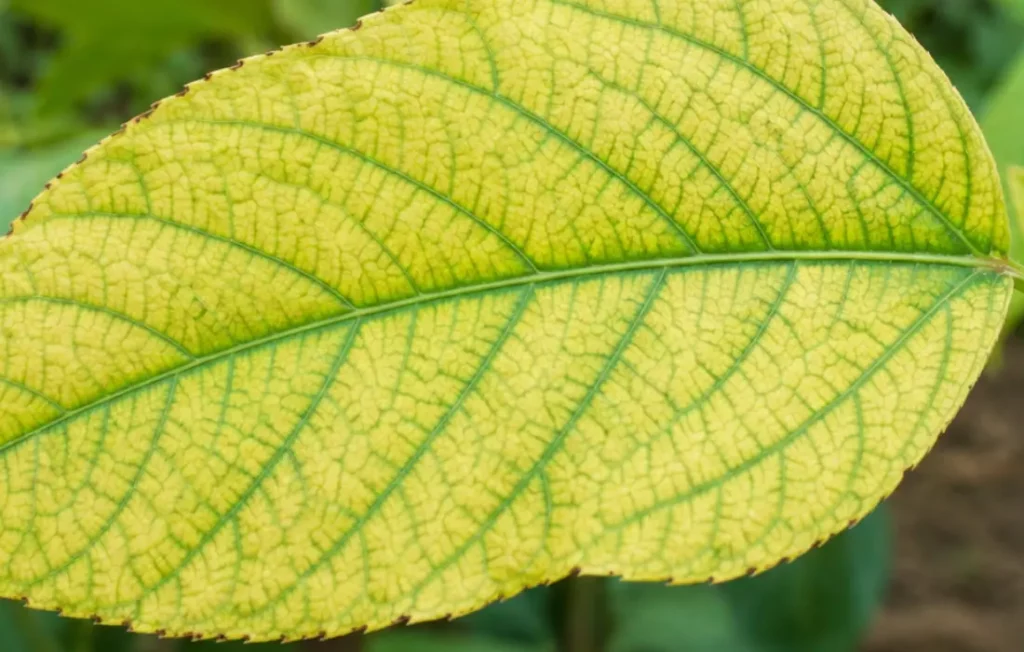
Iron deficiency is called iron chlorosis . It frequently appears on young leaves because iron is poorly mobile in the plant and cannot be easily transferred from older tissues to growing organs.
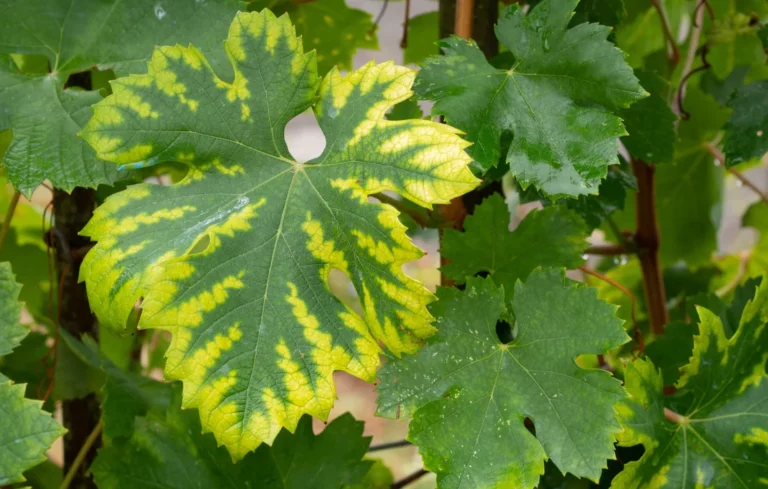
The most characteristic symptom is yellowing of the leaf blade , while the veins often remain dark green. When the deficiency persists, chlorophyll production decreases, photosynthesis is slowed, and the plant loses vigor. Growth can then slow, potentially impacting yield, crop quality, and reserve building.
Crops sensitive to iron deficiency
Crops most susceptible to iron chlorosis are generally planted in calcareous, alkaline, bicarbonate-rich, compacted, or poorly drained soils. Their susceptibility also depends on the variety, rootstock, root development, and climatic conditions encountered during the growing cycle.
- Vineyards: very sensitive in soils with high levels of active limestone. Iron chlorosis in vines can hinder vegetative development, reduce nutrient reserves, disrupt flowering, and negatively impact grape quality. The choice of rootstock strongly influences the tolerance of the plot.
- Fruit trees: peach, pear, apple, citrus, kiwi, olive, and some fruit rootstocks can exhibit marked chlorosis. Young leaves yellow, growth slows, and production can be affected if the condition persists.
- Legumes such as soybeans, field peas, beans, alfalfa, and, depending on conditions, broad beans can exhibit significant symptoms. Soybeans and peas are among the crops regularly affected on calcareous soils.
- Vegetable crops: tomato, melon, pepper, cucumber, courgette, strawberry and some salads can suffer from iron blockage, especially under cover or when the irrigation water has a high alkalinity.
- Nurseries and ornamental crops: roses, hydrangeas, rhododendrons, azaleas, camellias and container-grown plants frequently react to substrate or watering water that is too alkaline.
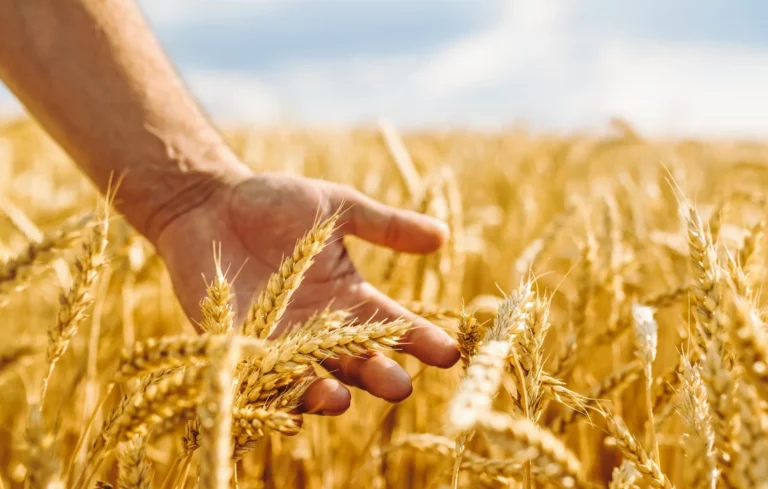
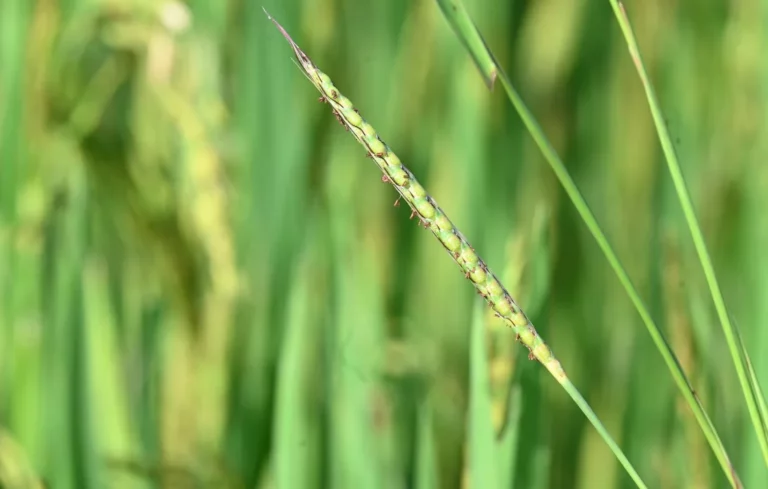
- Cereals: wheat, barley, maize and rice are generally less susceptible than vines, fruit trees or legumes. Symptoms may still occur in very calcareous, cold, compact or insufficiently rooted soils.
Preventing and monitoring the risk of iron deficiency
Prevention relies first and foremost on identifying exposed plots and analyzing the factors that limit root activity or iron availability. Calcareous, alkaline, wet, compacted, or poorly drained soils require special attention, particularly in crops known for their susceptibility to chlorosis.
- Measure the soil pH and identify the presence of active limestone or bicarbonates.
- Observe the soil structure, its level of compaction and its ability to evacuate excess water.
- Assess the depth and quality of root penetration in the affected areas.
- Identify the plots where symptoms regularly recur on young leaves.
- Check the balance between the different mineral elements in order to limit antagonisms.
- Consider the quality of irrigation water in market gardening or greenhouse systems.
- Adapt monitoring according to the culture, variety or rootstock planted.
Agrobiotop solutions for combating iron (Fe) deficiency
We develop natural solutions that improve soil decompaction, aeration, and oxygenation:
For all crops (fruit growing, viticulture, market gardening, cereals, golf courses, etc.), we recommend the following solution:
- YAKALFER : the alternative biostimulant to iron chelate ( Soil or foliar application, Application rate: 10 to 20 liters/hectare )
Feel free to contact us for advice and for the implementation of the solutions presented above.